Being ready for school is not just about academic skills – it is about making sure children feel confident and capable in a new environment.
A lack of school readiness can affect not only an individual child’s experience but the overall classroom dynamic.
The 28 strong checklist is divided into four key areas to help children start reception with confidence:
Growing independence – encouraging children to take small steps towards doing things for themselves, such as using the toilet independently, putting on their own coat, and using cutlery at mealtimes.
Building relationships and communication – developing social skills like sharing, taking turns, recognising their own name, and being able to talk about their feelings.
Physical development – helping children strengthen their fine and gross motor skills through activities like drawing, painting, and engaging in at least three hours of physical activity per day.
Healthy routines – establishing good habits such as brushing teeth twice a day, limiting screen time, and maintaining consistent sleep patterns.
This is a great document with some good ideas to help that transition to Primary School. Find it below in the document files.
School Readiness Checklist
What can I do as a parent to help my child be ready for school?
Practising the following skills at home will help your child move into school more easily and with confidence. Can your child do these things on the checklist?
1. Growing independence –
Taking care of themselves.
Put on/take off their coat and shoes
Use the toilet and wash their hands
Get dressed with little help e.g. after using the toilet or doing PE
Use cutlery (e.g. fork and spoon, chopsticks) and drink from an open cup
Spending time away from you, learning that they can be looked after by caring adults
Play, creativity, and curiosity
Take part in imaginative play (e.g. role play)
Draw, paint, colouring and sticking
Share story books with caregivers, looking at pictures and talking about the characters
Explore the world around them (e.g. looking closely at the natural world or playing safely with objects at home)
At school, your child will be meeting lots of new people and make new friendships. Some things to get them ready include:
2. Building relationships and communicating
Being with others
Practise sharing and taking turns with toys
Talk to them about how they are feeling and why
Look at story books together and speak about what characters are feeling is a good way to do this
Begin to recognise what others are feeling e.g. understanding if a friend is sad
Encourage them to set boundaries for themselves and others (e.g. knowing how to say ‘no’)
Communication and language
Sing along with songs and nursery rhymes
Talk happily to others about activities, experiences, and the world around them
Show they need help by speaking clearly (in basic English or sign language)
Recognise the pattern of their name (so they can find it on a coat peg or jacket)
Pay attention for short periods of time
Listen to and follow simple instructions
Carry on with a task even when it is difficult, and being able to bounce back if things go wrong
3. Physical development
Getting moving for at least three hours a day
Walk up and down steps (one foot at a time, using the wall for support)
Climb, run, jump, and play
Catch a large ball (most of the time)
Complete simple puzzles and craft activities, strengthening their grip with cutting and sticking
4. Healthy routines
Going to bed around the same time each night, waking up at the same time and getting ready for school
Be punctual and arriving to school on time every day
Limit screen time to the recommended daily amounts which is one hour per day
Eat a healthy diet and try new foods
Brush their teeth with fluoride toothpaste twice a day (you will need to supervise this until they are at least 7)
There are lots of online learning opportunities out there for you to try with your child. Here are some useful links –
You’ll find some short videos and simple, fun activities that you and your children can do together.
We’ve broken down the activities by age, but no one knows your child better than you do.
So you could pick and choose the ideas that feel right for you, adapt our suggestions or even come up with your own. And you can use whatever language you feel most comfortable with.
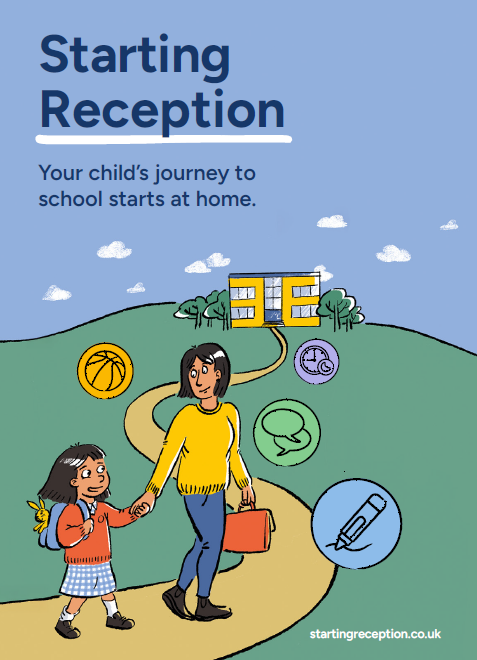 This is a great document with some good ideas to help that transition to Primary School. Find it below in the document files.


