Bedtime routines
A consistent sleep routine is one of the quiet superpowers in a young child’s day. When children know what to expect at bedtime, their bodies learn to wind down more easily, helping them fall asleep faster and stay asleep longer. Good sleep supports their growing brains, boosts emotional regulation, and gives them the energy they need to explore, learn, and play. It also creates a sense of security and calm, which is especially important during these early years when so much of the world is still new to them.
How Much Sleep Do Children Need?
How much sleep kids need varies by age. While every child is different, experts recommend:
- infants (0–3 months): 14–17 hours, including naps
- infants (4–12 months: 12–16 hours, including naps
- toddlers (1–2 years): 11–14 hours, including naps
- preschool (3–5 years): 10–13 hours, including naps
- school-age (6–13 years): 9–12 hours
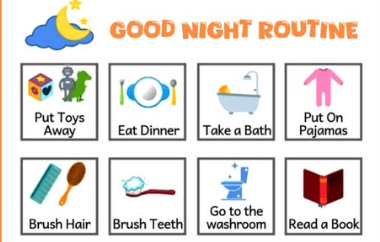
These are some simple strategies to help develop a calm successful bedtime routine.
- Try to keep to the same time for bed each night.
- Check the recommended amount of sleep a child needs for their age.
- Let children know 10 minutes beforehand that it will be bedtime so that they can finish their play.
- A bath in warm water and a clean/ dry nappy and nightwear is an important step before night time sleeps.
- A warm drink of milk can be part of their bedtime routine.
- Brush the children’s teeth.
- Choose a quiet activity before they sleep, sharing a book together is ideal.
- Turn off all screens at least 1 hour before bedtime as they can be visually over-stimulating.
- Darken the room and try to make the space quiet and calm.
- Ensure the child lies flat in their bed.
- Ensure you child is warm and feels safe, (sometimes a night light helps to comfort children)
- Give them a kiss, tell them you love them and that you will see them when they wake up in the morning.
- If your child is restless and needs extra support getting to sleep, teach them to stay in bed and make a quiet activity choice.
- If your child wakes in the night try to be as unstimulating as possible.
Visit The Sleep charity for more support and ideas. 
NHS guidance on Sleep and Tiredness 
Common Sleeping problems for Children


